1 / 1
A VPN is a technology that helps protect your internet connection and improve your online privacy. In this article, we will explain what a VPN is, how it works, and why people use it.
What Is a VPN?
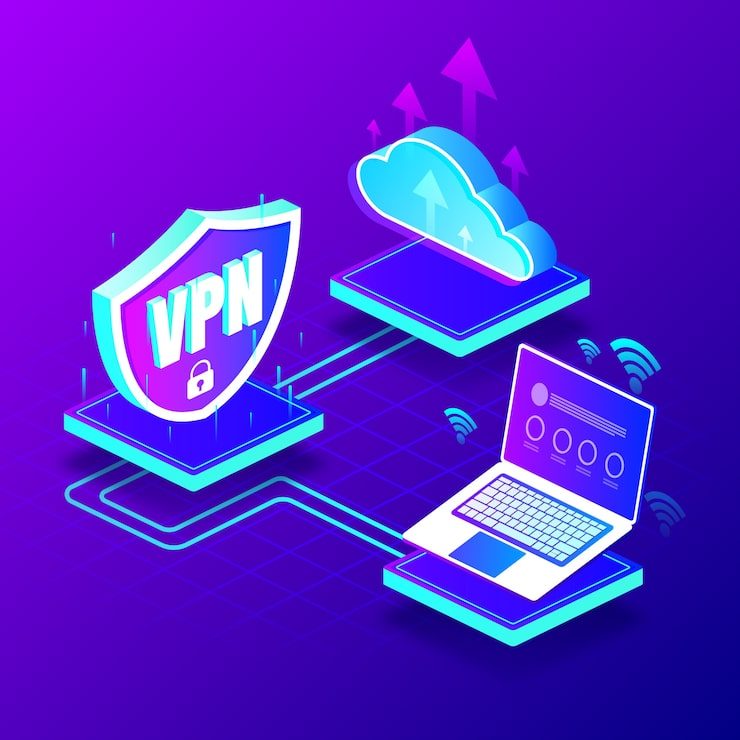
VPN stands for Virtual Private Network. It creates an encrypted connection between your phone, computer, or other device and a VPN server.
In simple terms, imagine sending a letter inside a locked box. It becomes more difficult for someone handling the box to read the letter. A VPN works similarly by encrypting your internet traffic as it travels between your device and the VPN server.
How Does a VPN Work?
Normally, when you browse the internet, your device communicates with websites through your internet service provider.
When you connect to a VPN, your internet traffic passes through an encrypted connection to a VPN server before reaching its destination.
For example, if you live in Nigeria and connect to a VPN server in the United States, websites may see the server's American IP address instead of your original public IP address.
However, this does not mean you have physically moved to America or become completely anonymous online.
Why Do People Use VPNs?
There are several reasons people use VPNs.
1. Online Privacy: A VPN can make it harder for your internet service provider or someone monitoring your local network to see the contents of your encrypted VPN traffic.
2. Public Wi-Fi Protection: People often connect to free Wi-Fi in schools, hotels, restaurants, and airports. A VPN adds another layer of protection when using these networks.
3. Access to Region-Restricted Content: Some websites and streaming services offer different content in different countries. A VPN may allow users to connect through a server in another location, although some services restrict VPN connections.
4. Secure Remote Access: Businesses and educational institutions sometimes use VPNs to help employees and students securely access private networks.
Are There Disadvantages to Using a VPN?
Yes. Although VPNs offer benefits, they also have limitations.
A VPN may slow down your internet connection because your traffic passes through an additional server. Some VPN services require payment, while free options may have limited features or collect user information.
Additionally, a VPN does not automatically protect you from viruses, online scams, fake websites, or hackers who trick you into revealing your password.
Are Free VPNs Safe?
Some free VPNs are trustworthy, but others may put your privacy at risk.
Before downloading one, check its developer, privacy policy, reviews, and permissions. Download applications from trusted sources, such as official app stores, and avoid unknown VPNs promising unlimited free internet.
Remember, a VPN does not automatically give you free internet. You still need an internet connection through mobile data or Wi-Fi.
Conclusion
A VPN is a useful tool for improving online privacy, encrypting internet traffic, and hiding your original public IP address from the websites you visit.
However, it does not make you completely anonymous or guarantee total protection online. For better security, use strong passwords, enable two-factor authentication, avoid suspicious links, and keep your device updated.
Educational tip from Ekiti Student Hub: Understand how a VPN works before installing one, and always choose a provider you can trust.




Get hostel updates instantly.
Join WhatsApp GroupWould you like to enjoy a soft Afro-pop background sound while reading? It makes your experience more relaxing and enjoyable.

Yemi Stitches - Corporate, Abaya & Owambe for EKSU, Iworoko & Lagos.